

Other Words for Home is written by Jasmine Warga
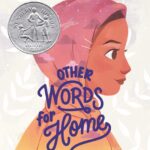
Published by Balzer + Bray on May 28, 2019
Key Words: Immigration, Racism, Resilience, Empathy, Belonging
Summary: This book describes the journey of Jude, a young Syrian girl, forced to leave her home in Aleppo, Syria, and move to America with her mother, who is pregnant, leaving behind her father and brother. For Jude, this is a fun, thrilling, and at times scary adventure, filled with many obstacles. Most importantly, she must remember to be brave throughout her journey, like her brother, a volunteer freedom fighter in Syria.
Lesson: Change is always a challenge, especially for young children, and this teaches Jude how to be brave in different instances, such as immigrating for a safer home, becoming acclimated to change, and showcases how she overcomes impostor syndrome and fights against racism.
Censorship: This book is banned in Duval County, Florida. Reported that they were taken from all classrooms and stated that they needed to be reviewed; however, there were no statements about whether they were ever going to be returned (Tolin, 1).
Highlights: The Book is composed in free verse style, meaning the novel is in poetry, and each section has a deeper meaning. I found it very realistic, with descriptions of immigration showing all the emotions that might occur during that journey. Yet Jude, with struggle, overcomes so much, becoming a story of strength rather than sadness.
Children’s Identity: Very beneficial for any child’s identity, as it allows growth through insights into the background of the Syrian Civil War and the difficulties that children may face, such as change, immigration, and racism. Through Jude’sstory, we see the importance of knowing where you came from, and not forgetting your culture, but instead being proud of it, even when it is difficult, pushing children to be brave in new places. This story provides insights to young readers about Syrian culture and the difficulty of immigration. However, it also allows those readers who might have experienced something similar to feel understood and put words to their feelings.
Sense of Self: Jude has a strong sense of self. From the start, she knows exactly what she wants to be and who she is, and this becomes something that she does not waver in, regardless of the circumstances. She has wanted to be an actor from the beginning, and although moving to America from Syria, she still fights for these dreams. Additionally, she stands up for her identity and is sure of it; she does not try to blend in or erase it; instead, she is proud of it.
Sense of change: Change is scary for Jude, yet she knows she has to be brave, which allows her to try to accept the new changes and to persevere despite that. She faces changes constantly, whether that be the war coming to her neighborhood, her mother getting pregnant, her brother moving out, or having to move to America; she stands up to all these with bravery. Change is sometimes scary for her, yet she is not one to back down or away from a challenge. She often references her brother and his strength, drawing from that in the face of changes, which helps her through different situations.
Sense of Family: Jude has a strong sense of family and often feels a deep responsibility for those she loves. This is especially evident in her relationship with her brother; despite their closeness, he eventually moves out, leaving her worried and anxious about his well-being. Her mother’s unexpected pregnancy becomes a pivotal moment, prompting a move to America. While this move strengthens her bond with her mother, it also splits the family, as she must leave her father and brother in Syria. In America, her sense of family becomes more complicated. She feels out of place with her uncle’s family and struggles to connect with them. Even if she were to fit in, she fears it would feel like a betrayal of the family she left behind in Syria.